Ielele

Facilities · Infrastructure

  • · Private water supply · drilled well
  • · Full electrical connection · three-phase
  • · Modern on-site wastewater treatment
  • · Fireplaces & radiant heating panels
  • · Parking · 8 vehicles

Virtual tour

Explore the estate
in 360°.

L1 · Exterior
L1 · Exterior
01 / 08
House L1

House L1
The Basecamp.

123.2 m²
Total
80.5
Usable
2
Guests

The basecamp of the retreat, marked in green. A small reception opens to a generous living and dining area organised around a central kitchen island. Upstairs, a host bedroom with en-suite bathroom and a small office sit beneath the eaves.

Rooms

  • Reception
  • Living & dining around central kitchen island
  • 1 bedroom with en-suite bathroom
  • Small office in the attic
  • Porch & terrace on the cantilevered deck
L2 · Exterior
L2 · Exterior
01 / 06
House L2

House L2
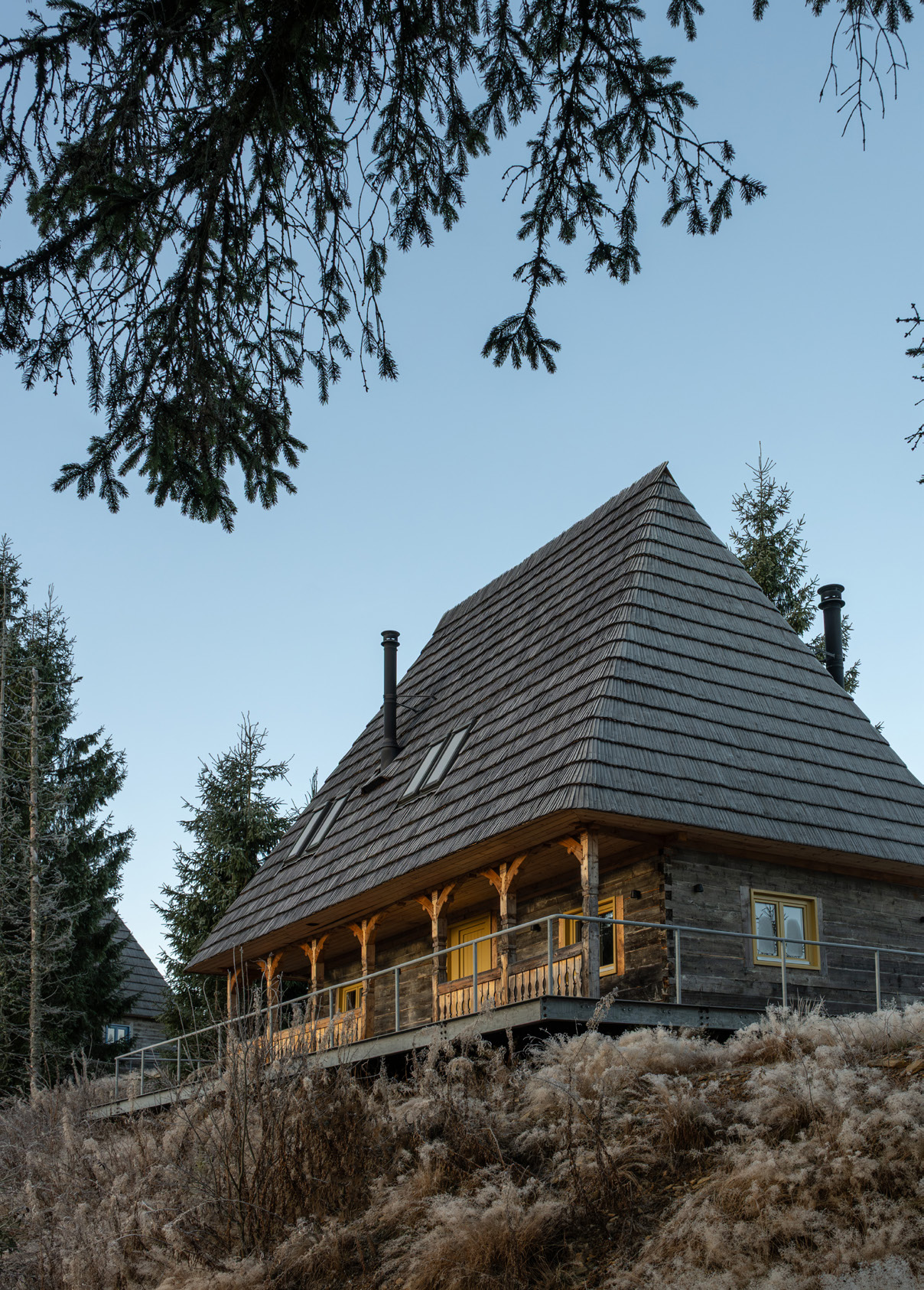
The Yellow House.

105.7 m²
Total
86.7
Usable
6
Guests

The largest of the guest houses, identified in yellow — extending into the kitchen and bathroom ceramic tiles. Three bedrooms, each with its own en-suite, organised around a wind-fang entrance, a combined dining and kitchen, and a small office under the roof.

Rooms

  • Wind-fang entrance & storage
  • Dining + kitchen
  • 3 bedrooms, each with en-suite bathroom
  • Small office in the attic
  • Porch & terrace on the cantilevered deck
S1 · Exterior
S1 · Exterior
01 / 06
House S1

House S1
The Blue House.

80.6 m²
Total
53.3
Usable
4
Guests

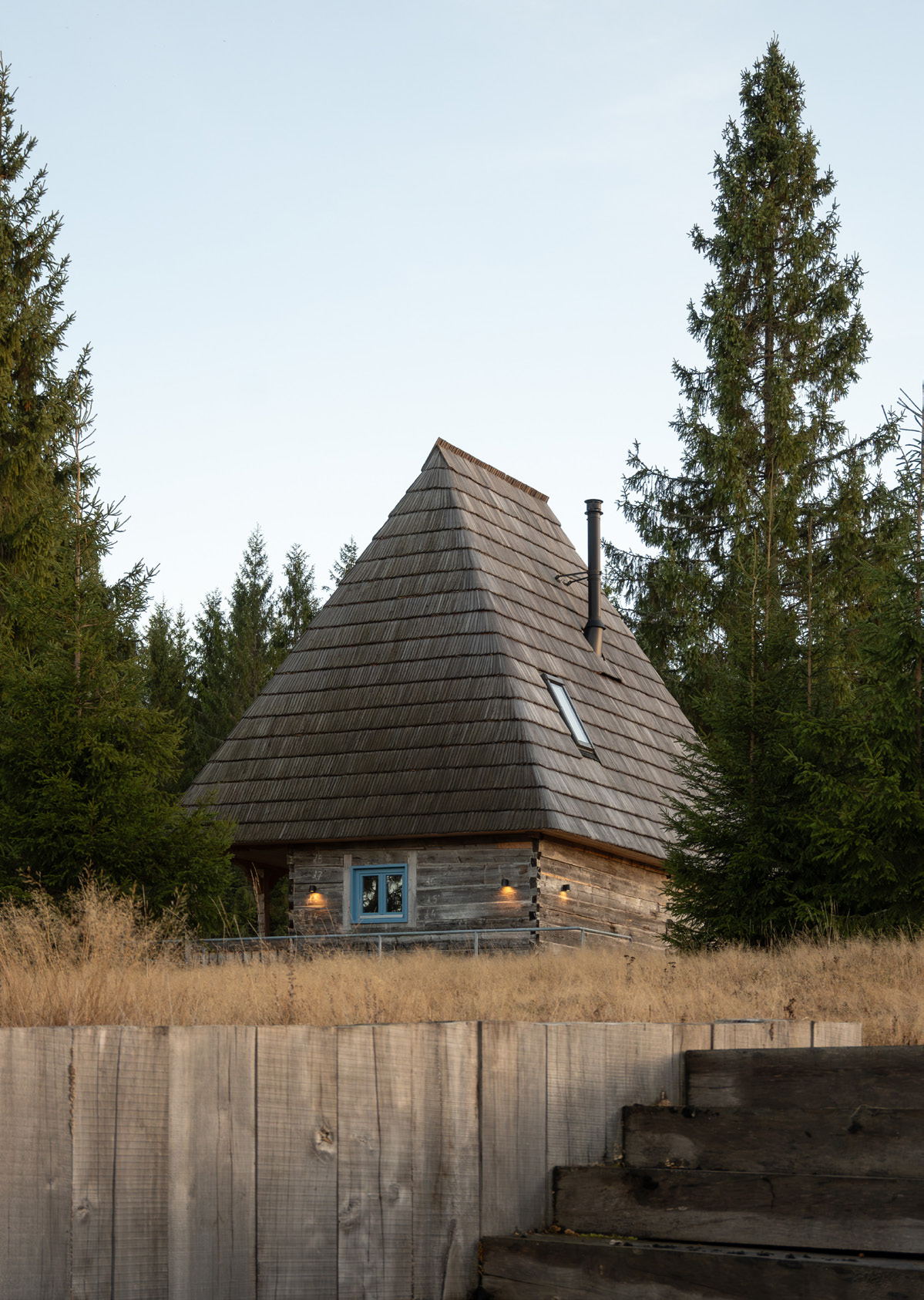
The blue house, cantilevered close to the eastern ridge among the pines. Two bedrooms — including a main bedroom — each with their own bathroom, paired with a dining and kitchen area and a generous office beneath the skylit attic.

Rooms

  • Dining + kitchen
  • Main bedroom with en-suite bathroom
  • Second bedroom with bathroom
  • Generous office in the attic
  • Porch & terrace on the cantilevered deck
S2 · Exterior
S2 · Exterior
01 / 05
House S2

House S2
The Red House.

62.3 m²
Total
40.0
Usable
4
Guests

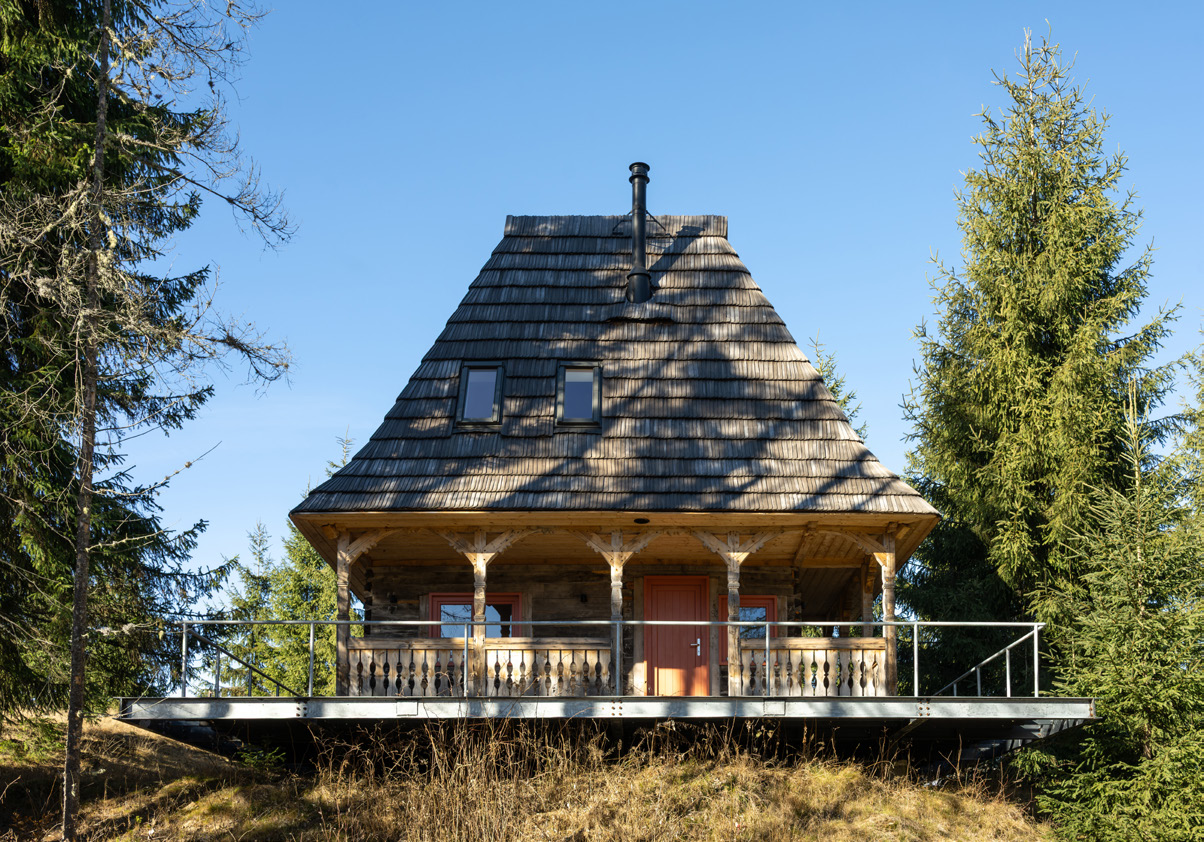
The smallest of the four, coded in red and perched closest to the eastern ridge. Two bedrooms with their own bathrooms, a compact dining and kitchen, and an office space tucked into the attic — a concentrated expression of the project's restoration ethos.

Rooms

  • Dining + kitchen
  • Main bedroom with en-suite bathroom
  • Second bedroom with bathroom
  • Office space in the attic
  • Porch & terrace on the cantilevered deck

The concept

The concept
behind Ielele.

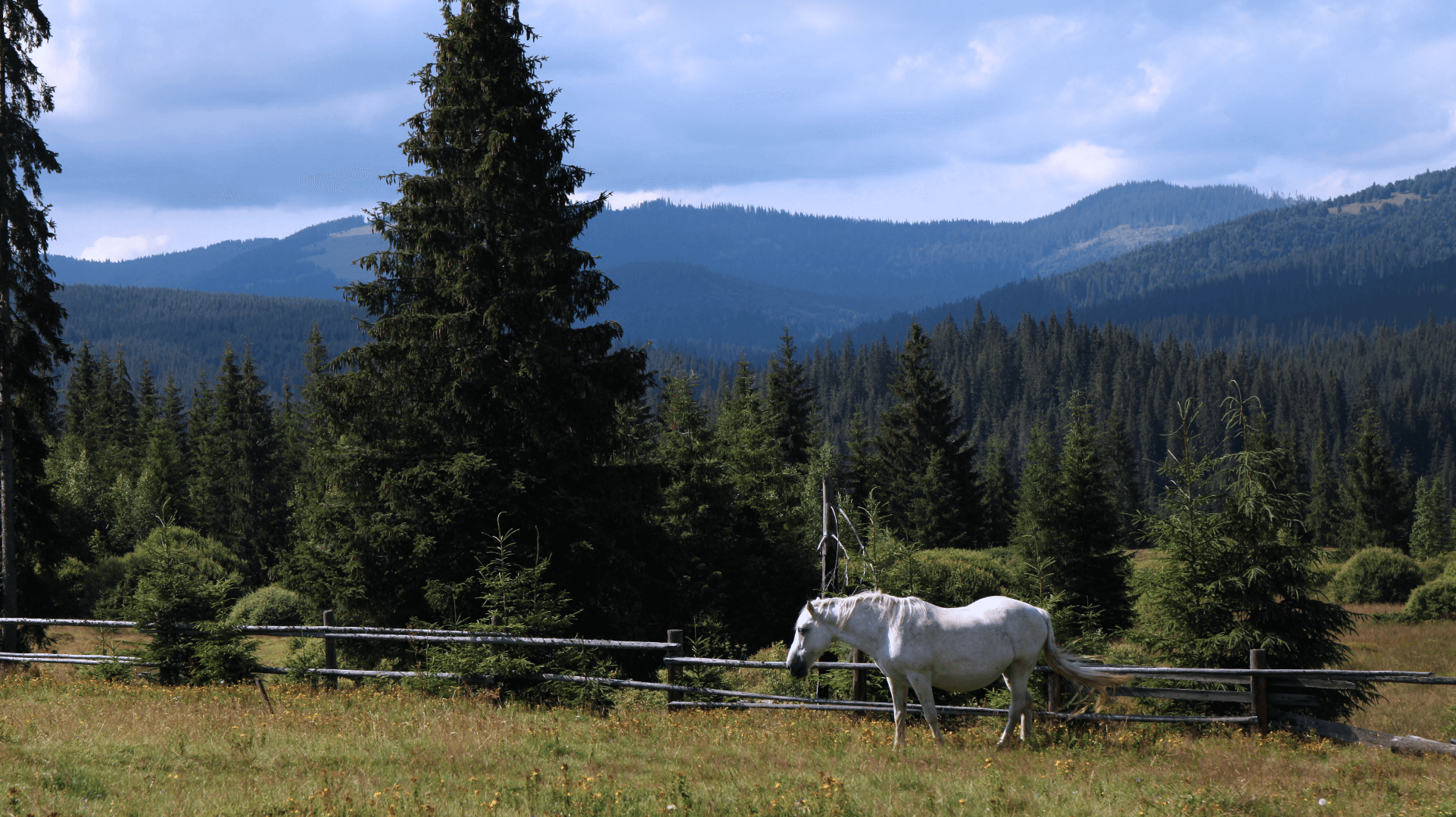
In Romanian folklore, the Ielele are supernatural female spirits — mysterious, beautiful, and dangerous — known for their mesmerizing dances in remote meadows and forests. Their name evokes seduction, wilderness, and an otherworldly presence, making it an evocative choice for a retreat immersed in nature.

Conceived as a fly-fishing escape along the Warm Someș river, the project welcomes guests from Western Europe and beyond and operates on a fixed occupancy pattern. It investigates the refurbishment and second resettlement of four traditional Romanian wooden houses. Originally built in one of Romania's most identity-defining regions, Maramureș, the houses were later moved to Sălaj and are now relocated once more — this time to Smida, one of the most picturesque dispersed villages in the Apuseni Mountains of northwestern Transylvania.

This raises a central ethical question: how can the resettlement of these four houses remain unambiguous? How can one clearly understand that they do not originate in Smida and are not representative of local Apuseni architecture?

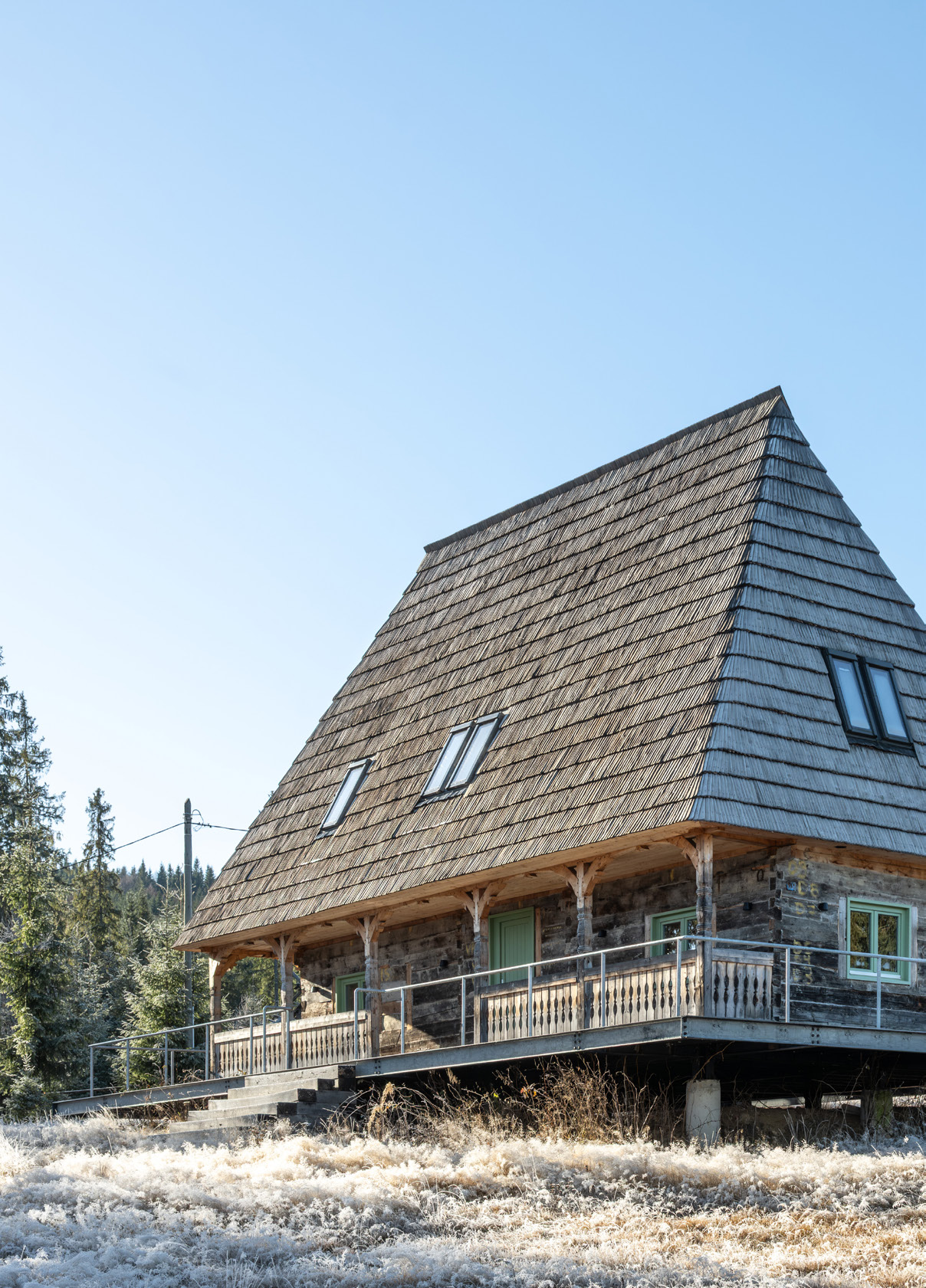
The answer lies in treating the houses as museum exhibits. Instead of resting on traditional stone foundations, the four houses are placed on new pedestals inspired by museum display plinths. Their steel structure, wooden decking, and tray-like geometry signal their status as resettled artifacts while enabling a more deliberate and picturesque adaptation to the sloped terrain.

Belis-Fântânele

The four houses

Architecture
& site.

Carefully positioned according to topography, vegetation, and orientation, the houses ensure privacy while opening to views of the dispersed settlement, the Warm Someș valley, and the surrounding forests. At first glance they may be mistaken for archaic rural dwellings — were it not for the steel-and-timber pedestals and the colored window and door frames.

A chromatic code identifies each house — green, blue, yellow, and red — and extends into the interiors through the ceramic tiles of kitchens and bathrooms. The pedestal system allows Houses S1 blue, L2 yellow, and S2 red to sit close to the eastern ridge, their wooden decks cantilevering among the pine trees. The decks expand the outdoor areas around each house, offering generous spaces to enjoy sunlight and uninterrupted views.

One of the two larger houses — L1 green — acts as the basecamp of the retreat. It houses a small reception that doubles as a fly-fishing shop, along with a generous living and dining area organised around a central kitchen island. The upper floor accommodates a host bedroom with an en-suite bathroom and a small office. The other three houses preserve their original two- or three-room layouts, enhanced with modern comforts and intended primarily for guests.

Wood-burning stoves heat the bedrooms and living areas, contributing to the sensory authenticity of the rural experience. Earth-based plasters contrast with the clean-lined, bespoke contemporary furniture. Interventions on the site were kept to a minimum. The retaining walls of the parking area are built from wooden railway sleepers — the same material used for the stairways leading up or down to each of the four pedestals.

Property details

Download the brochure.

Full specifications, floor plans and photography of the four houses and the estate.